

The Gates of Cordoba
Walking through Cordoba is a delight for all the senses, the beauty of its streets, the pleasant smell of its courtyards and…
Read More by administrador
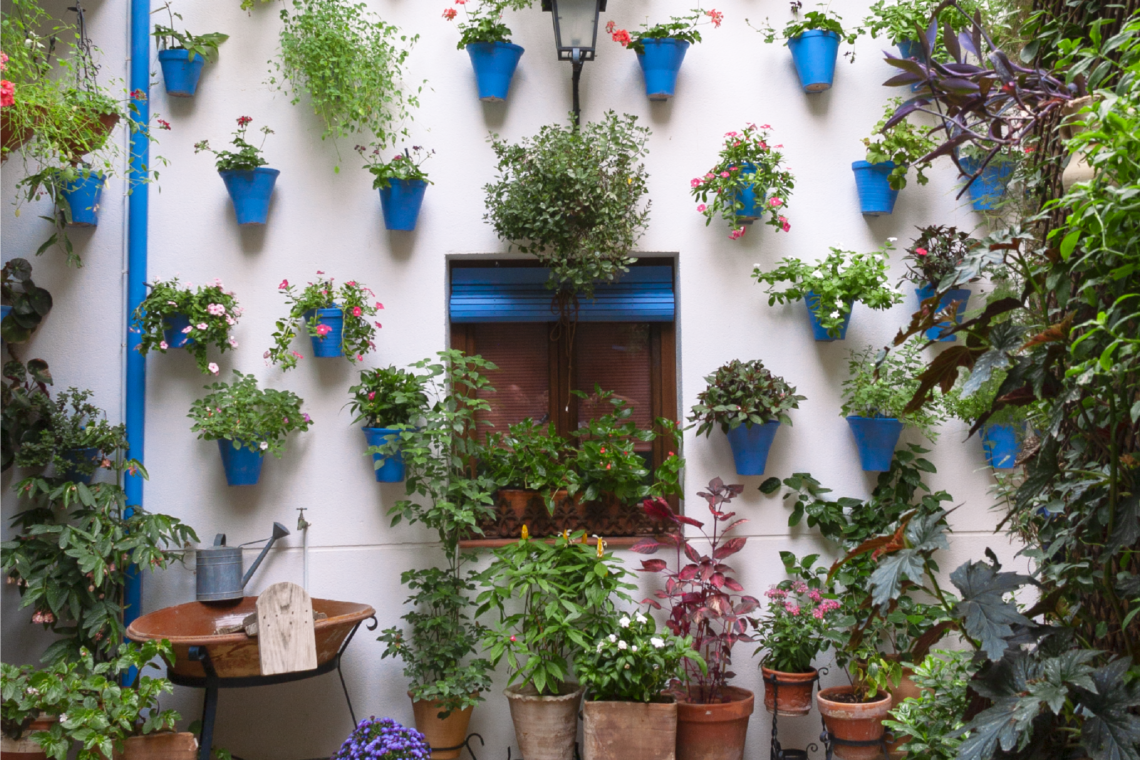
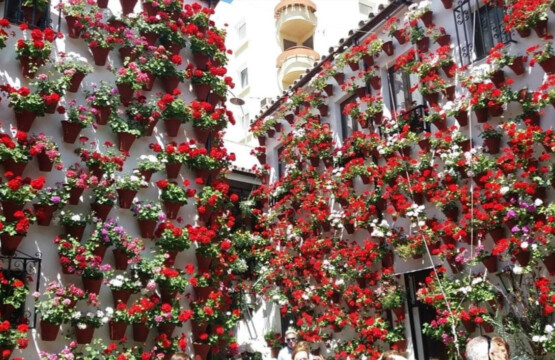
Cordoba lives these days its popular celebrations. The May crosses, its contest of grilles and balconies, the Battle of the Flowers, the Festival of the Patios and its fair are some of the obligatory appointments of the famous Cordovan May. Celebrations that have a common denominator, the flowers, a claim that remains throughout the year and that have turned Cordoba into “the city of flowers”.
Its patios, its aesthetics, the ornamentation of its buildings, the familiarity of its inhabitants with the culture and care of plants, and even initiatives such as the International Flower Festival, have contributed to Cordoba being recognized also for the smell and color of its flowers.
But, we know to what Cordoba owes its devotion and relationship with plants.
The multiple cultures and civilizations that make up today’s Cordoba are the origin of the Fiesta de los Patios. Cultures such as Babylonian, Egyptian, Greek or Roman arranged their houses around a central courtyard, where family activities took place. But what we know today, especially in Andalusia, as “tenement house”, has its origin in the modern age and the need to increase the capacity of the buildings to cope with the growth in demand caused by the march from the countryside to the city.
Many of these houses, belonging to the upper class, were modified by converting rooms into dwellings that were occupied by different neighbors around a patio that they decorated with flowers and plants, giving freshness and color to this space of the houses in which the heat of Cordoba was also combated.
In 1918, the City Council of Cordoba inaugurated the Festival of the Patios, which has now become one of the major tourist attractions of Cordoba thanks to the involvement of neighbors and institutions that year after year have ensured the maintenance and dissemination of a tradition that is part of the Intangible Cultural Heritage.
Initiatives such as the Contest of Grilles and Balconies that is held in parallel to the Fiesta de los Patios are an example of the passion of the people of Cordoba for their traditions and their famous flowers, turning their grilles and balconies into a spectacle of color with which the city is decorated in spring to welcome its many visitors.
On the last Sunday of April, Cordoba’s spring explodes with the first of its festivities, the Battle of the Flowers. A tradition in which 140,000 colored carnations are thrown from the floats that parade through the city, causing a battle of flowers between participants and attendees.
Although it is not clear the origin and motivation of this original festival in which flowers are once again the protagonists of the life and landscape of Cordoba, there is evidence of similar celebrations in other parts of Spain and even in other cities around the world. In the case of the Battle of Flowers in Cordoba, the first testimonies date back to the 1940s, although it would not take place continuously until the 1980s. Today, it is an event to which visitors from all over the world come every year to contemplate the explosion of color that involves the launching of its flowers.
Although there are different versions, the origin of the celebration of the May Crosses dates back to Roman times since, according to some historians, on May 3, Saint Helen found the Holy Cross and to verify its authenticity she placed it on sick people and cured them. On the day of her death, St. Helena requested that, from that moment on, those who believed in Christ should celebrate the day on which the cross appeared.
Around this festivity a contest of May Crosses is organized and has been celebrated since 1953. The neighbors themselves are in charge of maintaining this tradition, decorating their crosses with flowers, flowerpots and manila shawls that are raised in many squares and corners of the city, adding another touch of color to the spring of Cordoba.


Walking through Cordoba is a delight... Read More

If you want to spend a... Read More

Since 2010 flamenco is Intangible Cultural... Read More
Thank you so much
I blog often and I truly appreciate your information. This great article has truly…

Join The Discussion